A changing system
Global dis-order & energy re-order
International relations are entering a phase of structural instability as the energy system is being reshaped at unprecedented speed. Reading these two processes together is essential to understanding the transformation that is underway
9 minWe are not experiencing a sum of crises; we’re experiencing a phase change. Disorder is no longer the exception, it’s the new operating system of international relations. And energy—a historically slow-moving sector working on long cycles and progressive transformation—is now at the center of one of the most rapid processes of the past half-century.
These two dynamics flow side by side: a world in turmoil and an energy system transforming in materials, geography, and logic. Considering them in isolation means looking at only half the picture.
The logics of dis-order
Let’s start with the international dis-order. At first glance, it might all seem unpredictable: wars, trade tensions, naval blockades, cyber-attacks. In fact, the disorder follows clear patterns. The first is the fragmentation of power. We live in an architecture of competing powers. The US and China set the strategic flag posts, regional players such as India, Turkey, Brazil, and the Gulf countries move forward with an autonomous and ambitious agenda, while Russia operates as a revisionist power, often outside the rules. The second is the normalization of conflict. For decades, we took it for granted that a large-scale war in Europe was impossible.
Yet here we are: the war in Ukraine continues, the Middle East is experiencing a cycle of escalation, ships in the Red Sea are being attacked by drones, Africa is experiencing continued coups, and tensions are rising in the Indo-Pacific. This is not a temporary anomaly but rather a structural trend. Crises do not come one after another—they co-exist. The third concerns the exhaustion of the liberal order. The institutional architecture built after 1945 is under strain: multilateralism is not working, the UN is paralyzed, the WTO is unable to deal with disputes, the G20—once touted as the solution for dialogue—appears increasingly divided.

Add to this is the weaponization of interdependence: sanctions, technology bans, investment controls, export restrictions. The global economy is no longer a neutral ground: it is a field for competition. And then the last, invisible front: the rise of information warfare. Disinformation, deepfakes and influence campaigns not only destabilize governments and elections—they are low-cost, maximum-impact tools that erode trust, the scarcest political resource of our time.
The root causes of this dis-order are many: the hegemonic transition between the United States and China, the long legacy of the 2008 shocks and the pandemic, the end of hyper-globalization, the demographic divergence between North and South, internal polarization within democracies, and climate stress all act as amplifiers. On the radar for the coming year, we return to the usual flashpoints: tensions in the Taiwan Strait, provocations and incidents on the NATO-Russia border, and sabotage in the gray zone, from undersea fiber cables to energy infrastructure. This hybrid dimension is not war, but it certainly is not peace. And all this is barring the unexpected.
The new energy map
And so we come to the re-order: while the geopolitical picture fragments, the energy sector is reassembling itself at unexpected speed. The breaking point came in 2022: energy security returned as a central issue, along with competitiveness, redefining the energy trilemma. In its new incarnation, economic sustainability, security, and transition no longer proceed in alignment: they are negotiated, offset, and are sacrificed when needed. Public opinion also becomes volatile: energy becomes a political fault line. Climate goals remain, but compete with risk and cost management.
For those in the industry, this is good news, after all—policies cannot force the market or render technologies mature. Realism again becomes the measure what’s possible, and therefore, sustainable.
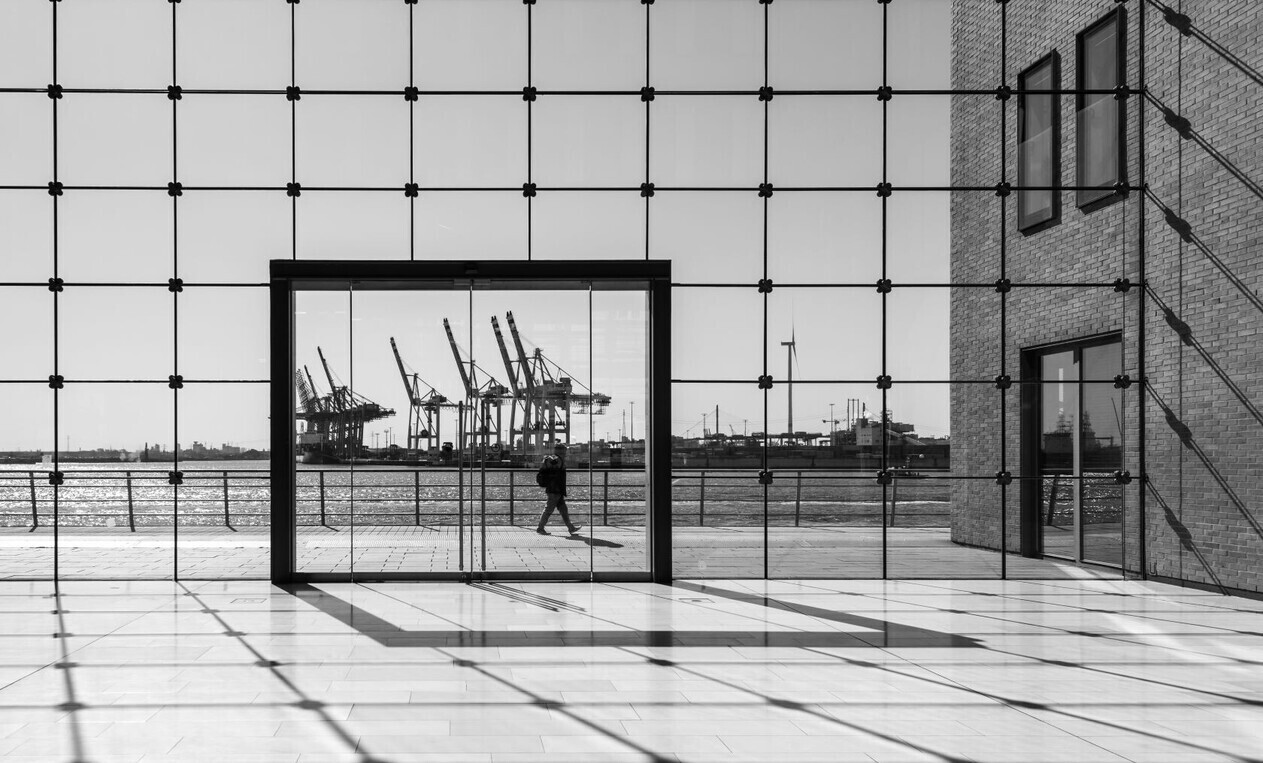
The new map of global energy powers reflects this balance. The US has become the unexpected energy hegemon, the swing supplier: first shale, now LNG, a strong cleantech industry, and a growing role in European energy security imposed by political leadership. China, in contrast, dominates the material transition: solar, batteries, EVs, rare earths and mineral processing. In the new economy, controlling the mineral supply chain means setting the speed of transition. Gulf countries move pragmatically: they invest in traditional and renewable energy; they focus on new technologies; they leverage their sovereign wealth funds to build out a mighty geo economic platform. Russia, for its part, turned to Asia after losing Europe, but at the cost of a structural loss of influence since it plays under conditions set by others.
Europe, and with it Italy, is trying to react to this crisis, squeezed between Sino-American competition and Russian aggression: diversification, LNG, new infrastructure, greater Mediterranean integration and a slow but gradual revision of its ambitions, not backed by as much geopolitical leverage.
The mineral trap
The energy transition is not just about technology but also minerals: lithium, nickel, copper, graphite and rare earth elements are the new industrial base of clean energy. This is where the mineral trap arises: we add traditional dependencies to new, more ambiguous mineral dependencies, geographically limited upstream but strongly concentrated downstream. Turning this table seems impossible: Chinese hegemony has been years in the making and has a decade’s head start.
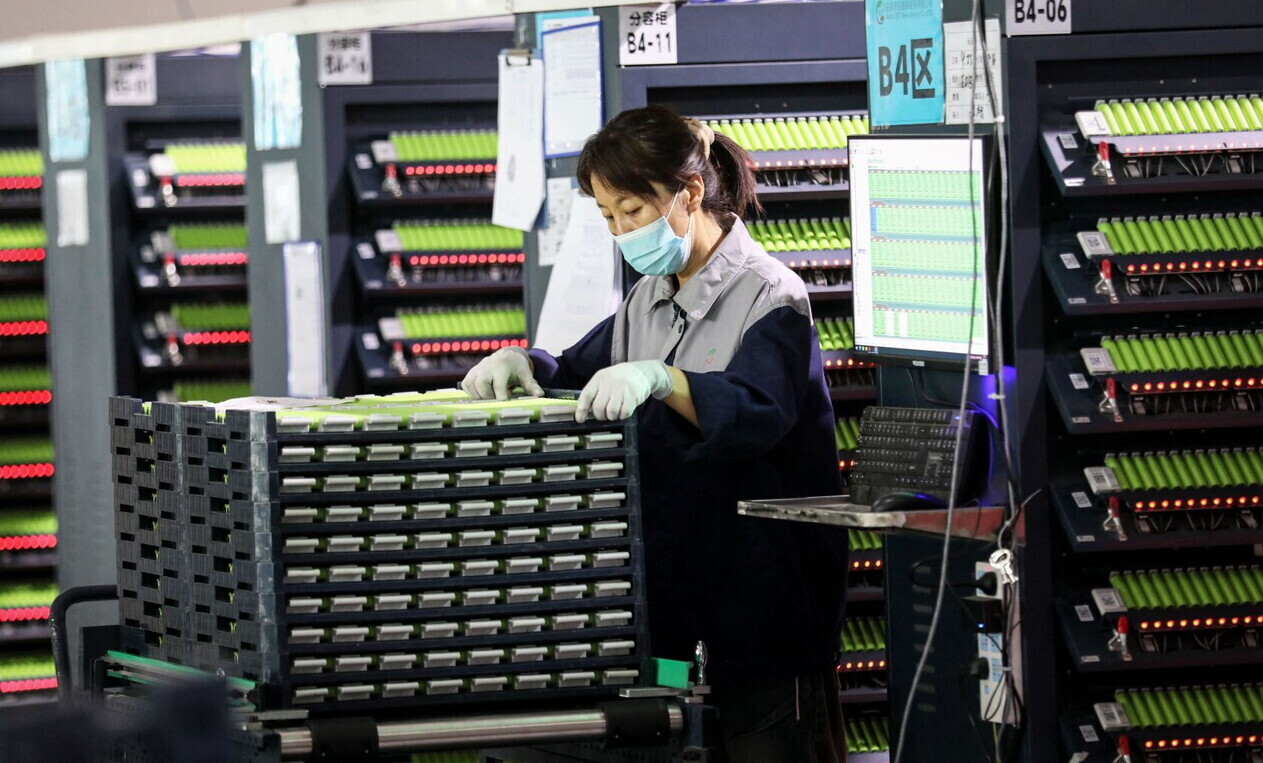
In the new disorder, energy is a geopolitical lever. Sanctions reshape flows; cyberattacks affect infrastructure; sabotage shows the vulnerability of pipelines and undersea cables; tariffs and bans set barriers higher than physical borders.
For a country like Italy, the answer is resilience. Redundancy, diversification, infrastructure protection, cooperation with the w ider Mediterranean, and constant dialog with allies and partners.
The role of AI
We have left for last a new species (already covered by WE) that is roaming the scene and that will condition both international relations and energy competition in unprecedented ways: AI with its computing centers and its big data. Artificial intelligence promises great potential efficiencies in network and storage management, trading and pricing, weather forecasting, even modeling scenarios or creating new materials. But for the time being, these are only promises.
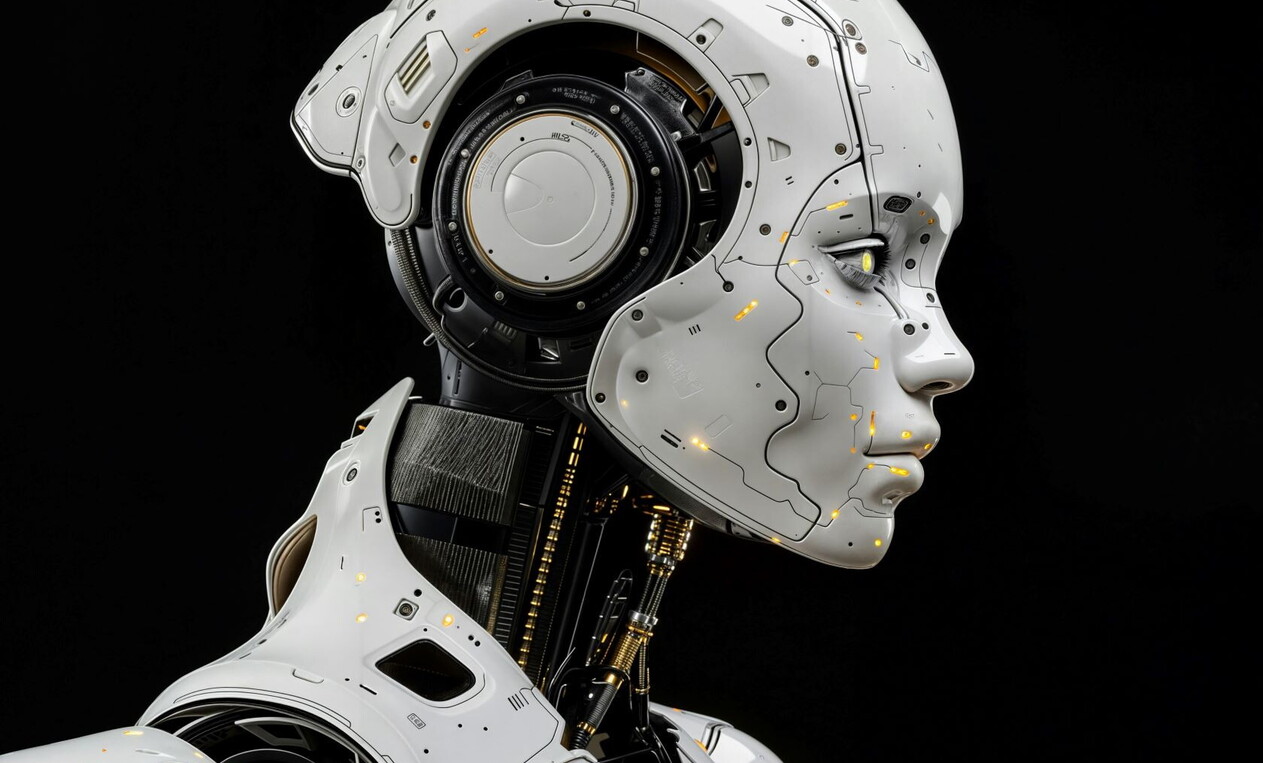
In terms of the energy required, we only know that demand will be huge: AI is growing and changing faster than Moore’s Law predicted for computer chips.
We must remember, however, that artificial intelligence is a total technology
With implications for politics and science, energy and economics. It can provide total surveillance and tracking and elimination of enemy targets; but it can also be used to reconstruct protein chains and enhance the human brain to the point of fulfilling Kurtzweil’s singularity theory.
The difference between the digital revolution of the 1990s and today’s revolution is that the former took place when a win-win mentality prevailed in the international sphere, with digital transformation put at the service of opening up new opportunities for all. The latter is taking shape in a zero-sum world. Putin stated in 2017 that whoever becomes the leader in artificial intelligence “will become the ruler of the world.” Xi has promised that China will lead AI by 2030.
Geopolitics today shapes energy, and, increasingly, energy shapes geopolitics as it has become the nervous system of global competition. Understanding this transformation is not an analytical exercise: it is a strategic necessity because learning to read disorder is the key to guiding the reordering better.