
The Dragon's Ambitions
China's orbital strategy
China aims to integrate space, the economy and national security, challenging the technological leadership of the United States and Europe
16 minThat space would become more strategically important and commercially attractive was never in doubt. Yet few realized how quickly the competitive advantage would shift to those building the underlying infrastructure that makes space a vital operational environment—or how decisively China would move to secure it.
As part of its multi-layered space agenda, Beijing views large-scale, space-based internet as a strategic pillar central to global connectivity and dual-use power. As these constellations scale up, they are set to reshape global communications and drive competition over international standards and geopolitical influence, from spectrum allocation to space security.
China’s long-term space strategy
For China’s leadership, space has long carried the weight of the “Sputnik moment”—a milestone in the race to catch up with the West and a powerful symbol of national prestige linked to defense, economic security, and scientific leadership. Much like the United States and the Soviet Union during the Cold War, China has leveraged its space achievements to bolster national pride, a strategy that is now yielding tangible economic and scientific value.
Beijing’s International Telecommunication Union (ITU) filing at the end of 2025, which outlines plans for over 200,000 satellites in addition to its existing 50,000 satellite target, underscores the sheer scale of its ambitions. In this domain, spectrum is power: securing radio frequency allocations early grants a nation decisive influence over who can operate and compete in future orbital infrastructure. Although China was a relatively late entrant to the space race, it has made rapid, concentrated progress since joining the fold.
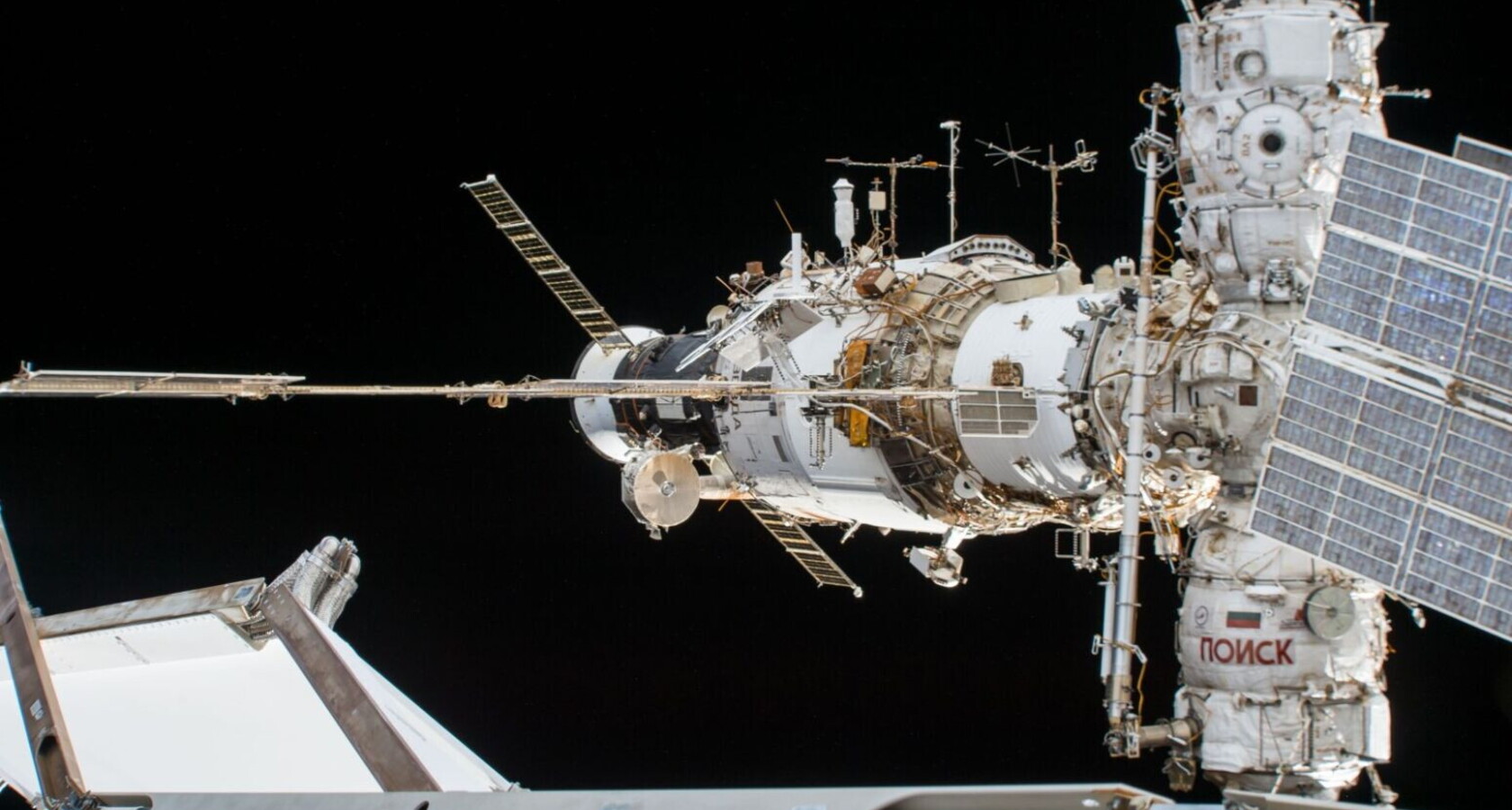
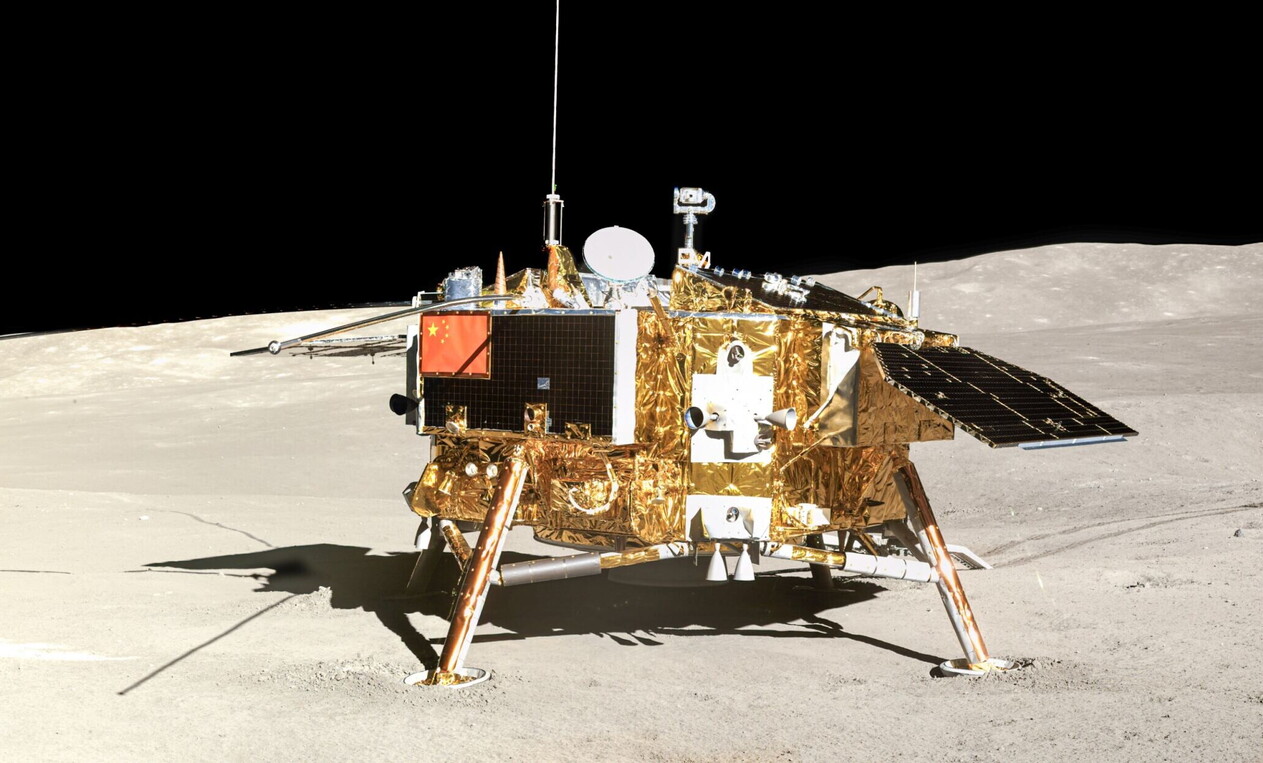
Since sending its first astronaut into orbit in 2003, Beijing has constructed its own space station and executed multiple missions to the Moon—including the successful return of lunar samples under the Chang’e project, named for the Chinese moon goddess. This is part of an increasingly ambitious and wide-ranging space agenda.
By 2028, China aims to launch a Mars sample-return mission. By 2030, its roadmap includes achieving a crewed lunar landing, developing space-based solar power in geostationary orbit, and deploying approximately 28,000 satellites across its Guowang and SpaceSail internet constellations.
By 2045, the goal is to become the world’s leading power in space. What started as an effort to catch up is now aimed at dominating Europe and the United States.
Space in the 15th five-year plan
Space remains the central strategic domain for Beijing’s ambitions, serving as a critical bridge between the real economy and China’s dual civilian and military objectives. In its latest 15th Five-Year Plan, the nation’s primary economic and policy blueprint, space is designated as an “emerging pillar industry.” While not a new label, this categorization signals a reinforced state focus on commercialization and industrial scale.
At the core of China’s ambition is the use of space as a catalyst for broader economic development. The sector serves as a nexus for various advanced technologies and materials—ranging from strategic information and communication systems to critical minerals and energy storage—driving industrial upgrading across the board. This push aligns with China’s current stage of economic maturity, characterized by enhanced innovation capabilities and a deliberate transition toward higher-value growth.
Overall, the Chinese space industry is transitioning from a niche sector to a ubiquitous global presence. China has already established itself as a major provider of space-based services, particularly in satellite navigation and Earth observation. Systems such as BeiDou and the Gaofen optical radar satellites support dual-use civilian and military applications and are increasingly exported to partner nations.
Beyond services, China supplies critical space infrastructure—including satellites and ground systems—to key markets like Pakistan, Brazil, and Egypt. While the value of China’s domestic satellite navigation industry is growing steadily, reaching Euro 73 billion in 2024 (surpassing Europe’s Euro 42 billion), the global market landscape tells a different story. Revenues in the Global Navigation Satellite System (GNSS) industry remain dominated by the U.S. and Europe, which together hold a 55% market share, while China’s global share remains relatively modest at 13%.
To support the growth of the space economy, Beijing has introduced the “Space plus” strategy, designed to integrate new frontiers into traditional space development. This comprehensive roadmap includes plans for space tourism and on-orbit digital infrastructure, as well as the advancement of its space mining project, “Tiangong Kaiwu,” named after an encyclopedic 17th-century Chinese scientific text.
Public funding underscores these priorities: the Chinese government’s space spending reached approximately Euro 17 billion in 2024. While this remains second to the United States (Euro 69 billion), it is more than double the Euro 7.7 billion budget of the European Space Agency (ESA).
Building a mature space-based internet: the core of China’s ambitions
State-owned enterprises remain the backbone of China’s space sector. These companies lead flagship projects including the Long March rocket family, the BeiDou navigation network (China’s counterpart to GPS), and upcoming mega-constellations for space-based internet.
In parallel, China has cultivated a robust industrial base for satellite and rocket manufacturing. It has also significantly expanded its domestic and international network of telemetry, tracking, and command (TT&C) ground stations, ensuring seamless communication and control for its growing orbital fleet.
Developing a space-based internet is a central pillar of China’s broader strategy. As terrestrial networks reach their capacity, satellite-based connectivity is viewed as an essential layer for extending high-speed coverage worldwide. Leading this charge is the SpaceSail mega-constellation. Positioned as a direct rival to SpaceX’s Starlink, SpaceSail specifically targets overseas markets. The service is currently available in six countries, including Brazil and Pakistan, with plans to expand to over 30 more. For many developing nations, this partnership offers a chance at “technological leapfrogging,” bypassing traditional infrastructure hurdles.
For Beijing, the benefits are twofold: capturing emerging markets and setting the international standards that will define the next generation of global communications and geopolitical influence.
Where ambition meets constraint
Meeting these ambitious goals will depend on how Beijing addresses lingering structural weaknesses. Currently, a gap persists between China’s expansive vision and its industrial capacity to deliver at scale—a disparity most visible in its satellite deployment timelines. While Beijing has filed for spectrum rights covering hundreds of thousands of satellites, its primary mega-constellations, SpaceSail and Guowang, are currently trailing their deployment targets. As a result, these programs are under intense pressure to ramp up launch cadences to meet strict ITU deadlines; failure to do so could mean losing their hard-won orbital spectrum rights.
Competition remains intense: SpaceX’s Starlink, now operating in more than 130 countries, benefits from reusable Falcon rockets that drastically reduce costs and increase launch frequency. In contrast, China still relies primarily on single-use Long March rockets, making launch capacity a significant bottleneck. Deploying massive constellations requires frequent, low-cost access to space, making reusable rocket technology the critical frontier. While state-owned enterprises and private firms like LandSpace are actively developing these capabilities, progress remains uneven—hampered by a combination of technical, regulatory, and structural challenges.
To close these gaps, Beijing has encouraged private actors to step into niche areas of innovation where speed, modularity, and cost reductions are paramount. The number of commercial space companies in China has exploded—growing from just 30 in 2018 to nearly 600 today. This burgeoning sector covers everything from reusable rockets and low-cost satellite manufacturing to specialized components and broadband services. This strategy draws heavily on the U.S. playbook, attempting to mimic a competitive environment that fosters the best technology. However, the results remain mixed. Unlike their American counterparts, these private firms continue to rely heavily on state-owned infrastructure and government financing, a dependency that ultimately limits true market competition.
Structural constraints extend to talent and funding as well. While China produces a massive volume of STEM graduates, boasting over 80 million technical professionals, a figure exceeding the entire population of Italy, and leveraging this brainpower to drive innovation breakthroughs remains a challenge. Rigid funding mechanisms and institutional fragmentation often slow the transition from research and development (R&D) to full commercialization. Furthermore, broader economic headwinds, including high youth unemployment, complicate efforts to recruit and sustain the highly skilled workforce necessary for long-term space dominance.
External constraints further complicate Beijing’s trajectory. As China expands its presence in global space markets, it increasingly encounters geopolitical friction. Because space-based infrastructure—particularly in communications and navigation—is so tightly linked to national security, its adoption is being restricted in certain regions even as demand surges elsewhere.
To broaden its international reach, China has leaned into space diplomacy. This includes high-profile cooperation on lunar exploration with Russia, climate research and Earth observation collaborations with Europe, and the construction of strategic ground stations in nations like Namibia. However, these localized partnerships do not automatically translate into undisputed global leadership in space.
Taken together, these factors point to a trajectory that is promising but whose success is far from guaranteed. China’s ability to translate forward-looking strategic goals into true space leadership will depend less on the scale of its ambition than on its practical capacity to scale deployment, foster genuine innovation, and navigate an increasingly contested international environment.
What kind of leadership?
The European Space Act does more than simply standardize rules; it introduces an entirely new philosophy. While policy-making remains the prerogative of Member States and European institutions, the overarching goal is to foster an aerospace industry capable of excelling on a global scale.
To this end, the European Space Agency (ESA) has selected a cohort of startups and private firms to develop small, lightweight, and reusable launchers. This move is designed to expand Europe’s competitive capacity in a market currently dominated by companies like Blue Origin and SpaceX. Similarly, IRIS²—the new European high-speed internet constellation—serves as a direct response to Starlink. It reinforces a public-private model that integrates major aerospace groups like Airbus, Thales Alenia Space, and Leonardo with a vast network of innovative SMEs.
Within this ecosystem, world-class technologies are emerging, such as precision deployment, centered on companies specialized in placing satellites into highly specific orbits, on-board intelligence for software enabling satellites to make autonomous, real-time decisions, and orbital sustainability, centered on robotic arms for debris capture and refueling systems designed to extend a satellite’s operational life.
Member states are contributing a diverse array of innovative solutions: Germany is pioneering low-cost mini-launchers; a Franco-German partnership is developing reusable capsules for cargo and, eventually, human transport; Spain is focusing on small rockets for light payloads; and Finland is producing satellite radars capable of “seeing” through adverse weather conditions. Additionally, through ClearSpace, Switzerland is playing a pivotal role in the European program, leading the ESA’s 2026 landmark debris removal experiment.
Realism in the sky
China’s ascent in space is best understood as the product of a state-driven model that prioritizes top-level guidance, industrial scale, and long-term strategic vision. While this approach has guaranteed the robust expansion of infrastructure and research, it does not yet ensure leadership across the full spectrum of space technologies.
Simply put, China is now a peer competitor in lunar research. While NASA’s Artemis IV mission—the first crewed landing of the program since 1972—is currently set for 2028, ongoing development delays, including with the HLS (Human Landing System) and spacesuits, could push that timeline closer to Beijing’s firm 2030 goal. If the U.S. schedule slips further, China could very well be the first nation to return humans to the lunar surface in the 21st century.
However, China’s prowess in exploration does not yet extend to the commercial frontier. In the realm of space-based internet, for example, the gap remains significant. While Beijing has filed for over 200,000 satellites, its operational “SpaceSail” constellation is just beginning its deployment phase, with roughly 126 satellites in orbit as of April 2026. This stands in stark contrast to the commercial dominance of Starlink, which now manages a fleet of thousands and serves over 10 million subscribers globally.
The next phase of space competition—particularly between the U.S. and China—will hinge less on “headline” achievements than on the ability to build integrated orbital systems that drive both economic growth and national security.
This is no longer a two-player game. Other major actors, including Japan, South Korea, and India, are also advancing their own space strategies. Meanwhile, Europe is pursuing its own ambitious roadmap, from advanced Earth observation and the SOLARIS space-based solar power project to the IRIS² satellite network.
The critical question for Europe is whether it can translate these blueprints into sustained, operational capabilities. Success will require more than just technical brilliance; it will demand the industrial agility to avoid falling behind in an increasingly crowded and competitive global space economy.