
Rethinking our relationship with the environment
Seeds of resilience
In a world marked by climate change and growing pressure on resources, chef and FAO ambassador Fatmata Binta invites us to rethink the relationship between communities, the environment, and development through the universal language of food
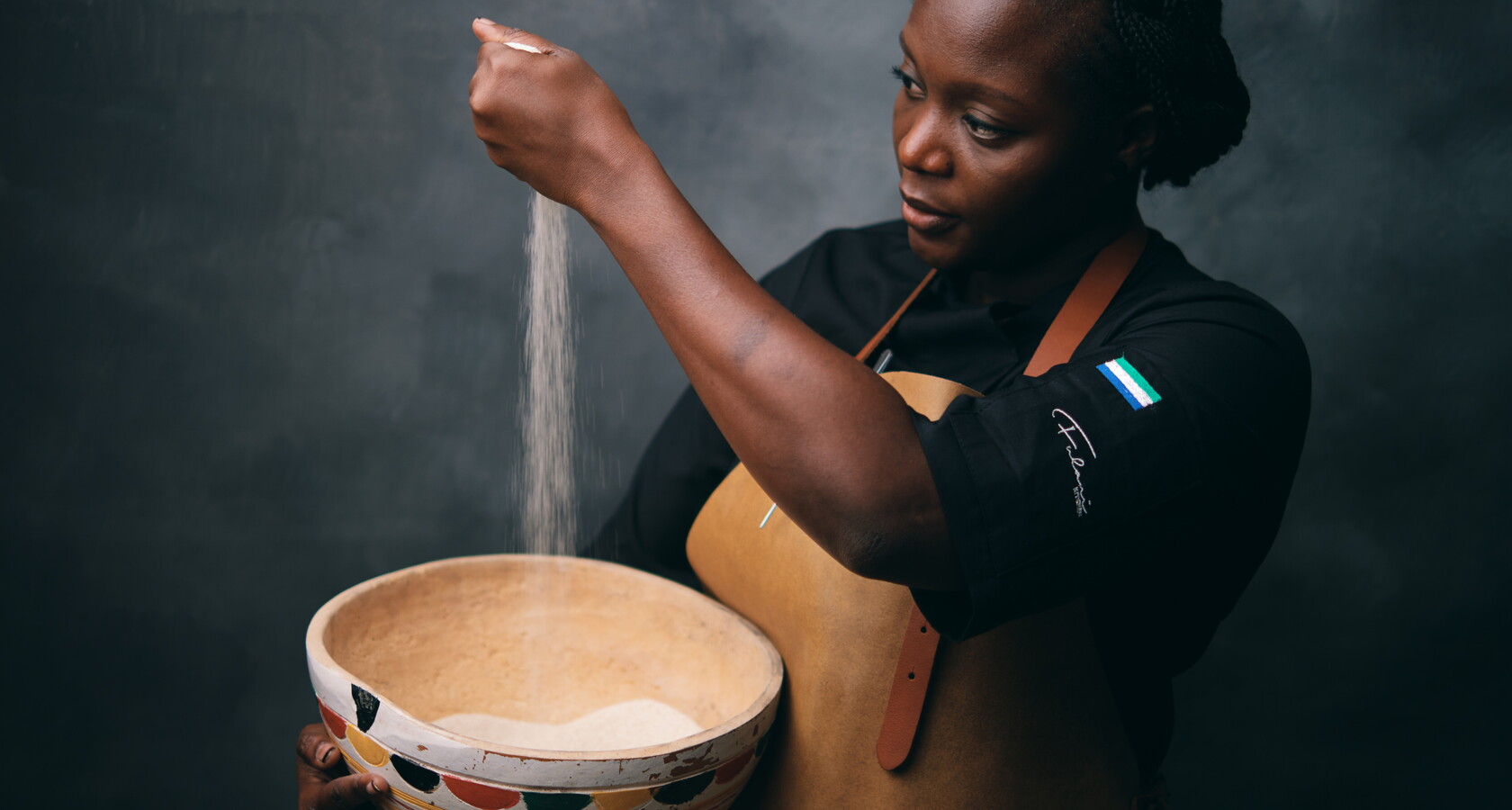
11 minWinner of the prestigious Basque Culinary World Prize in 2022—the first African chef to receive the award—Fatmata Binta is today one of the most authoritative voices in the international debate on the relationship between food, sustainability, and development. Originally from Sierra Leone and a member of the Fulani people, she has built her professional career by promoting the gastronomic and cultural heritage of West African pastoralist communities, transforming cuisine into a tool for social inclusion, environmental protection, and the promotion of traditional knowledge.
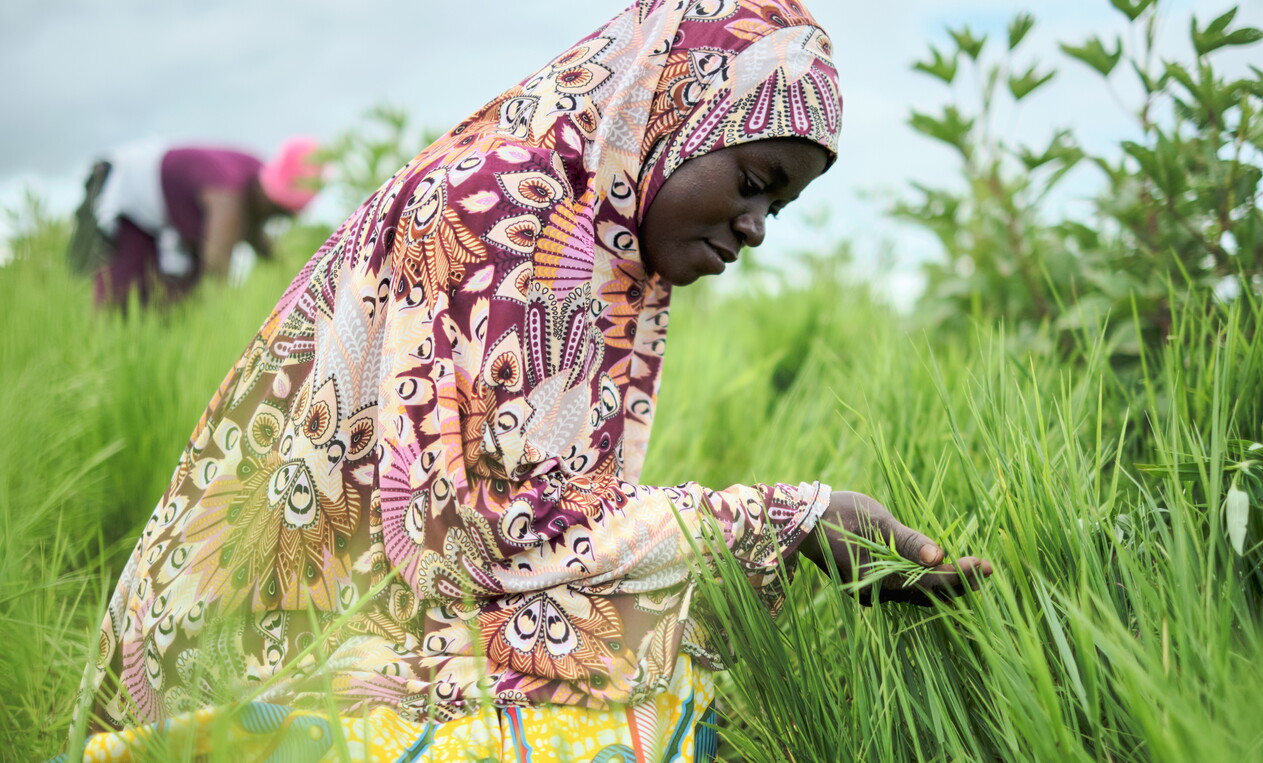
Through the Fulani Kitchen Foundation, funded in part by the prize she received in 2022, she supports women farmers who grow fonio, an ancient grain particularly resistant to drought and increasingly seen as a potential solution to the challenges posed by climate change and food insecurity. As the FAO’s Regional Goodwill Ambassador for Africa, Fatmata Binta is today one of the leading international advocates for this cereal, a symbol of resilience, adaptation, and the promotion of traditional African crops.
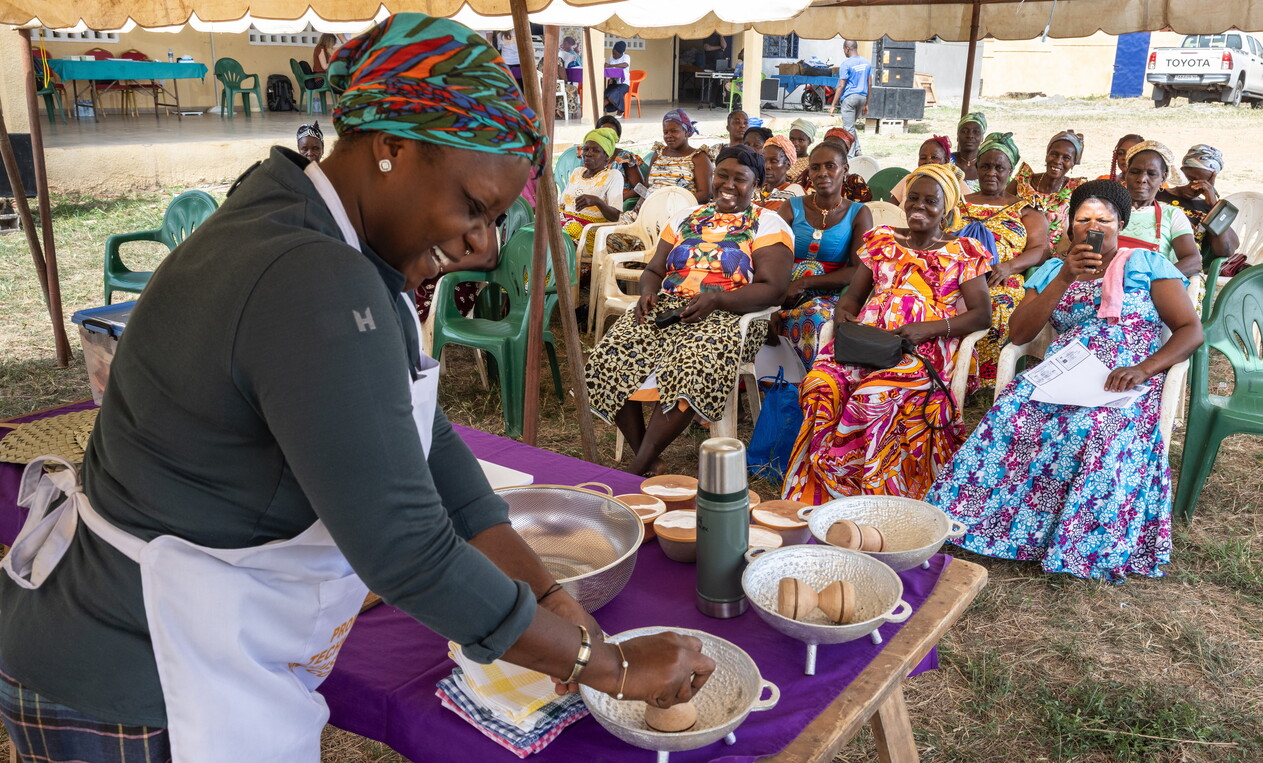
Her project, Dine on a Mat, which combines the nomadic roots of Fulani culture with contemporary culinary training, has become a laboratory for dialogue between tradition and innovation, successfully using food to address issues that go far beyond the dining table: natural resource management, the role of local communities, climate resilience, and the value of biodiversity.
In this interview with World Energy, Fatmata Binta reflects on the deep connection between water, energy, food, and ecosystems—a relationship that Fulani pastoralist communities have come to understand and respect over the centuries. From the lessons offered by the fonio grain to the need to preserve the link between food and the land, to the role of clean cooking technologies in improving the lives of African women, a vision of development emerges that is grounded in the balance between innovation and tradition. It is an invitation to rethink the very concept of abundance and to recognize the value of local knowledge as a fundamental resource for addressing the environmental, energy, and food challenges of the 21st century.
You often tell the story of Fulani culture through food, but behind every dish there are also water, land, climate, energy, and migration. How much has the nomadic tradition of your people taught you to see these resources as part of a single balance?
As a Fulani woman, I grew up understanding that food never exists in isolation. Every meal is connected to water, grazing lands, seasons, animals, people, and movement. Nomadic life teaches you that resources are not separate things to be controlled but part of a living relationship that must be respected. When you depend directly on the land and climate for survival, you become deeply aware of balance. Taking too much from one part of the system eventually affects everything else. This understanding continues to shape how I cook, how I source ingredients, and how I think about the future of food.
Fonio, which you have helped to bring to international attention, is an ancient grain that is drought-resistant and well suited to fragile environments. At a time of climate change and growing food insecurity, do you believe cuisine can also become a political and cultural tool for rethinking our relationship with resources?
Absolutely. Food is one of the most powerful tools we have because everyone participates in it. Fonio is not simply a grain; it carries generations of knowledge about resilience, adaptation, and living within environmental limits. When we choose ingredients like fonio, we are also making a statement about what kinds of agricultural systems we want to support. Cuisine can influence policy, consumer behavior, and cultural values. It can encourage us to value crops and traditions that have long sustained communities but were overlooked by modern food systems.
In your projects—from the work of the Fulani Kitchen Foundation to Dine on a Mat—food is above all about sharing. Yet in many parts of Africa, water and energy are becoming sources of social tension. To what extent can food still serve as a space for community and dialogue in increasingly vulnerable contexts?
Food has always been one of the most accessible ways for people to come together. Around a shared meal, conversations become possible that might not happen elsewhere. While food alone cannot solve issues of resource scarcity, it can create spaces where people listen to one another and imagine solutions collectively. Through Dine on a Mat and the work of the Foundation, I have seen how meals can bring together people from different backgrounds, generations, and professions. Community begins with gathering, and gathering often begins with food.
You live between tradition and modernity: on one side, the oral memory and knowledge of pastoral communities; on the other, rapidly transforming African cities. What do we risk losing—including from an environmental perspective—when we lose the connection between food and territory?
When we lose the connection between food and place, we risk losing knowledge that has been refined over centuries. We lose understanding of seasonal rhythms, local biodiversity, traditional preservation methods, and sustainable ways of using resources. We also lose a sense of responsibility toward the environments that nourish us. Food becomes a commodity rather than a relationship. Preserving culinary heritage is not simply about culture; it is also about protecting ecological wisdom.
Many global food systems require enormous amounts of water, energy, and land. Fulani cuisine, by contrast, is rooted in the idea of balance with often harsh ecosystems. Do you think some practices considered “traditional” today could offer valuable lessons to the worlds of innovation and sustainability?
I do. Innovation does not always mean creating something new. Sometimes it means recognizing the value of knowledge that already exists. Many traditional African food practices evolved under conditions of scarcity and uncertainty. They teach efficiency, adaptability, seasonality, and respect for natural limits. These principles are increasingly relevant today. The future of sustainability may depend as much on listening to indigenous and traditional knowledge systems as it does on technological advances.
You have brought Fulani culture to international tables without turning it into folklore, while preserving its strong human and social dimension. What message would you most like to convey today—especially to more industrialized countries—about the value of resources and our responsibility toward the planet?
I would encourage people to rethink abundance. More is not always better. Many communities around the world have survived for generations by understanding that resources are precious and finite. We must move away from extractive relationships with the planet and toward reciprocal ones. The question is not only what we can take from the earth, but what responsibilities we have toward it. There is wisdom in cultures that have learned to live with limits, and I believe that wisdom deserves greater attention today.
Access to clean cooking remains a major challenge across many parts of Africa, affecting health, the environment, and everyday life, especially for women. Do you think improved cookstoves and cleaner energy solutions can help preserve culinary traditions while also making them more sustainable?
Yes, I believe they can. The goal should not be to replace culinary traditions but to support the people who keep those traditions alive. Women are often at the center of food systems, and cleaner cooking solutions can improve health, reduce environmental pressure, save time, and create safer cooking environments.
This is something I have experienced firsthand through my work with Eni as part of “Eni for Clean Cooking,” a program focused on clean cooking projects in Sub-Saharan Africa that aims to reach 20 million people by 2030. Through this partnership, I have seen how access to improved cookstoves can make a meaningful difference in the lives of women, reducing exposure to harmful smoke while lowering fuel consumption and easing the daily burden of cooking. What I find particularly important is that these solutions do not ask communities to abandon their food traditions. Instead, they allow women to continue preparing the dishes that carry cultural memory and identity, but in ways that are healthier and more sustainable.
For me, the future lies in this intersection of tradition and innovation. Sustainability should not require communities to give up their heritage. Rather, organizations such as Eni demonstrate how investment in cleaner energy solutions can empower women, protect the environment, and ensure that culinary traditions continue to thrive for future generations.