
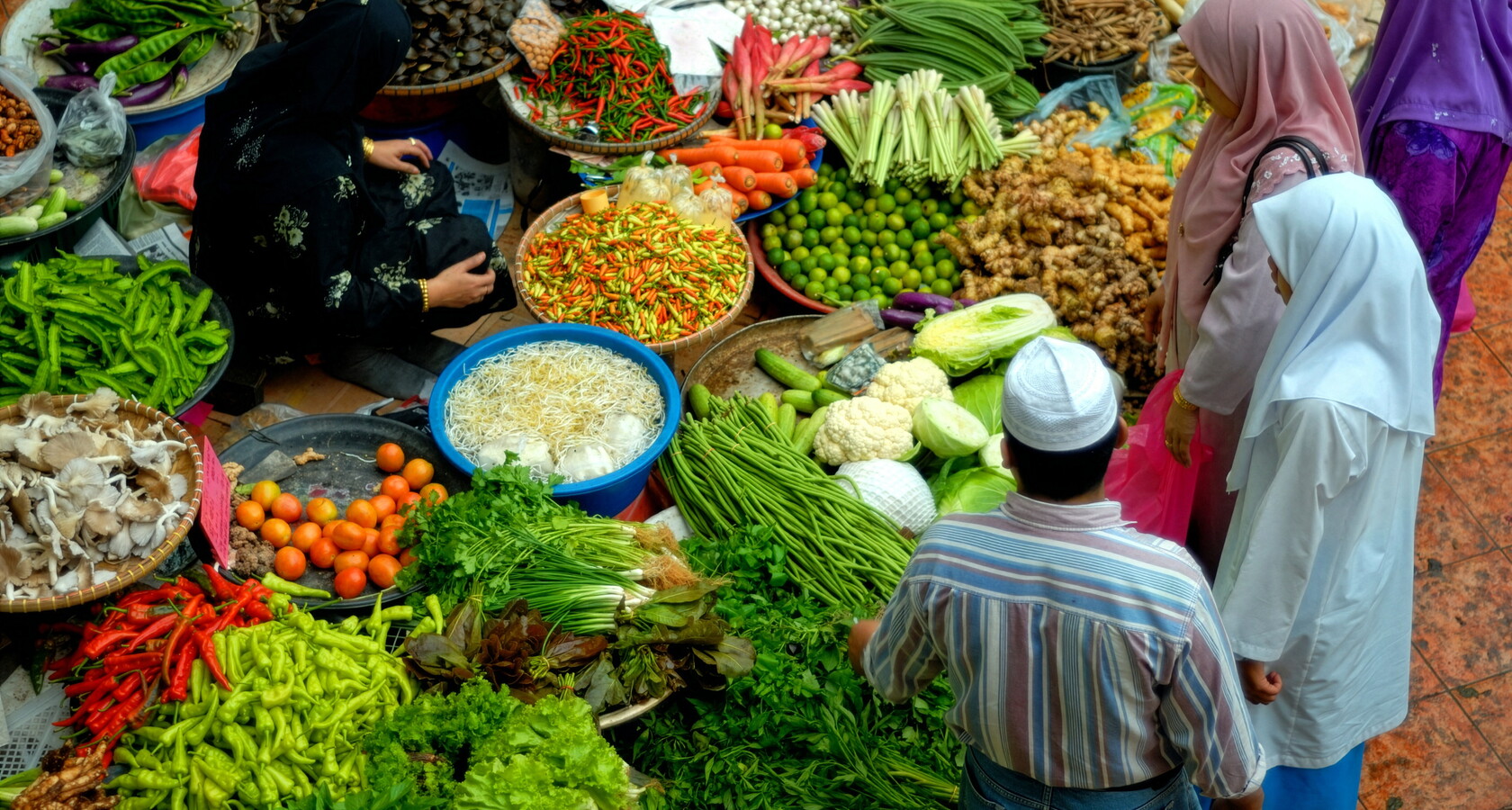
Middle East and North Africa
The MENA triple constraint
Demographics, water and energy are reshaping the balance of power in the MENA region. An aging population, water scarcity, and the transformation of the energy system are driving the region toward new development models
11 minMedia depictions of the Middle East and North Africa (MENA) often involve an oil sheikh, teeming youth populations without jobs, and a desert with an occasional oasis on the horizon. Such images lack nuance and miss important changes that are taking place. Many MENA countries are in the midst of a demographic transition and will face challenges of aging societies during this century. Water scarcity is linked with economic reallocations and food trade. The jury is still out on whether we are witnessing an energy transition or just an expansion of the existing system, but renewable investments in the MENA are finally rising. Challenges of demography, water supply, and the energy world are sometimes different in the MENA than they appear; they act as powerful constraints and shape the development options of the region within the nexus of water, energy, and food security.
Demographic transitions
Youth bulges in the MENA peaked as early as the 1980s and 1990s. In many countries the total fertility rate today is at the replacement level of 2.1 children per woman or even below, such as in Tunisia, Lebanon, Iran, and Turkey. Some countries such as Iraq and Yemen still have higher birth rates, but even there they have come down considerably. It takes a generation for a youth cohort to migrate through a population pyramid. A lot of young people still enter the labor market and struggle to find jobs, but in the medium and longer run many MENA countries will face demographic challenges akin to aging societies.
Gulf countries have a labor market that relies heavily on foreign labor in often low-paid jobs. Their challenge is to create better-paying jobs with higher productivity, capable of accommodating their national youth. Due to socio-cultural preferences, female labor market participation is relatively low in all MENA countries compared to countries elsewhere with similar GDP levels. Women form a labor market reserve and have started to enter the workforce in growing numbers.
The hydrocarbon sector and heavy industries are capital intensive and only absorb a limited number of jobseekers. Hence, economic diversification into non-oil sectors and related educational skillsets have become a holy grail of reform in Gulf countries. Over time, economic rather than population growth will become the predominant factor in resource strain in the MENA and will inform decisions about resource allocation.
Virtual water trade and a “second river Nile”
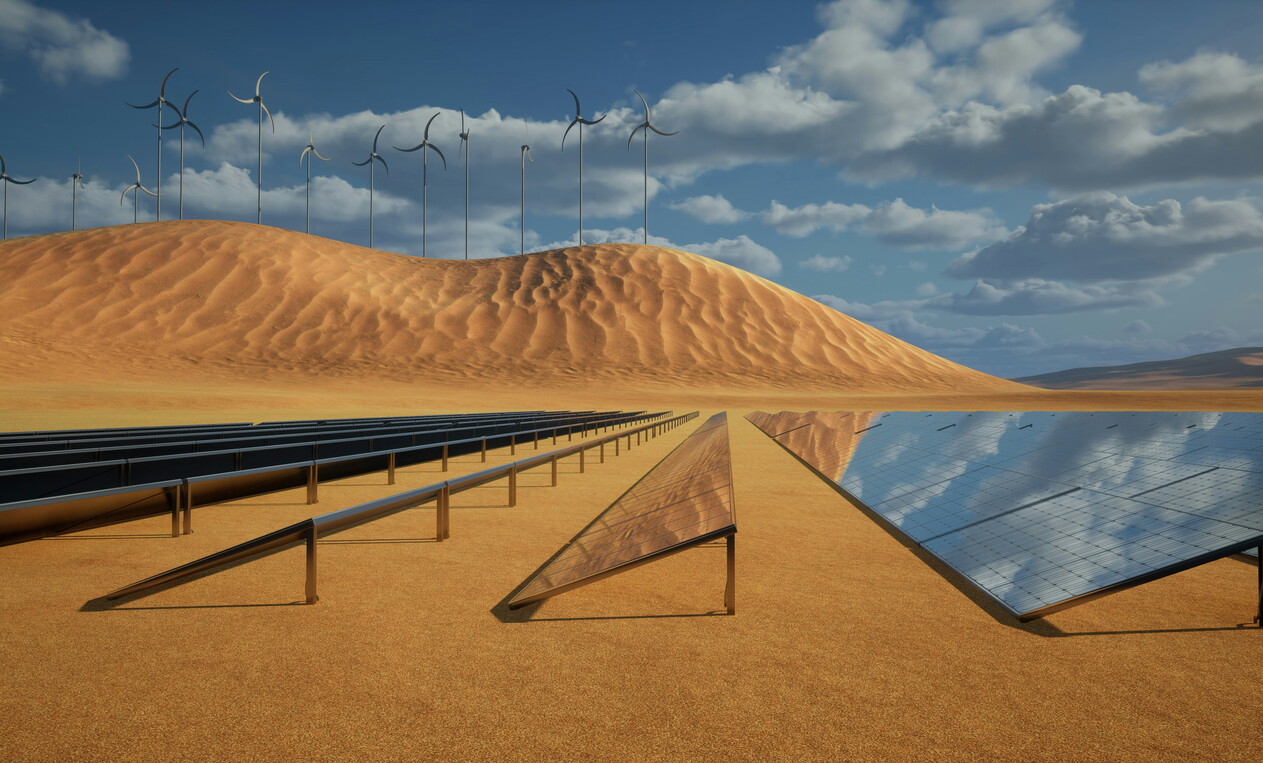
The MENA is one of the most arid regions of the world. Water scarcity in the Gulf is beyond critical levels with freshwater withdrawal exceeding available freshwater resources by 10 times or more. Even in more fortunate countries, this ratio stands between 50 and 100 percent, marking medium to high water stress. Since the 1970s the MENA has lost the ability to grow the food it needs from renewable water resources. The use of non-renewable fossil water resources in water-guzzling wheat cultivation schemes in Saudi Arabia and Libya (“Great Man-Made River Project”) has proven to be an ecological dead end as they have exhausted aquifers. They have been phased out or are in disarray. Desalination has emerged as the main provider of residential water supplies in the Gulf countries; the MENA accounts for over 40 percent of globally installed desalination capacity. However, using desalination at scale for water-intensive agriculture would not make ecological or economic sense. Desalination is energy intensive and the disposal of the brine can cause environmental damage. The MENA already accounts for over half of the world’s brine production.
Agriculture accounts for some 70 percent of water withdrawal and more than 90 percent of consumptive water use globally. Making agriculture more water-efficient can help save water resources, but there are limits. Technologies like drip irrigation make agricultural water use more efficient. If such efficiency gains are used to increase production, however, the resulting rebound effects can actually increase water consumption. The MENA region is the world’s largest grain importer. At the same time, some countries like Morocco and Turkey have developed powerful export industries for fruit and vegetables. Some experts argue that MENA countries should follow that path, focus on higher value-added crops, and import staple foods. However, such technocratic recommendations run into concerns about strategic vulnerabilities that periodically resurface in times of crisis, such as the global food crisis of 2007/08, the Covid supply disruptions, and more recently the wars in Ukraine and Iran.
The hidden solution to the region’s water scarcity has been food trade. It constitutes a flow of “virtual water”, i.e., the water that was needed to produce a particular commodity and is thus virtually embodied in it. Such virtual water has added a second river Nile to the region’s water balance as Tony Allan, who coined the paradigm, has pointed out. Agriculture in the MENA not only faces limited water resources; it also competes for water with economic diversification sectors such as industries, power, and green hydrogen production. In this situation, food trade offers a way to cushion the trade-offs involved. The MENA is closely interlinked with global food markets, including via its exports of fertilizers. The Gulf region’s share in global exports of nitrogen fertilizers stands at over 30 percent, coming mainly from Saudi Arabia, Iran, and Qatar. Meanwhile, Morocco commands a whopping three quarters of global reserves of phosphate rock and a third of global exports. Dependence on food imports means that a drought in an exporting region like Russia, the US, or Australia can be as concerning as one at home. The MENA cannot escape its food import dependence; it can only manage it via supply diversification. It also needs food imports to maintain its water security.
Energy transition or expansion?
Before the advent of oil and gas, the MENA was energy-poor, as it lacks coal and the “white coal” of hydropower that facilitated industrialization in other countries in the 19th and early 20th century. As its hydrocarbon riches have matured and have come under pressure from climate mitigation policies, renewables have emerged as an addition to the energy mix, solar energy in particular.
In countries that depend on hydrocarbon imports, such as Morocco, they can reduce the import bill. In countries with unstable power grids such as Lebanon, they offer alternatives to generators when combined with batteries. In oil-exporting countries they can help to safeguard hydrocarbon export capacity by reducing the use of oil in power generation.
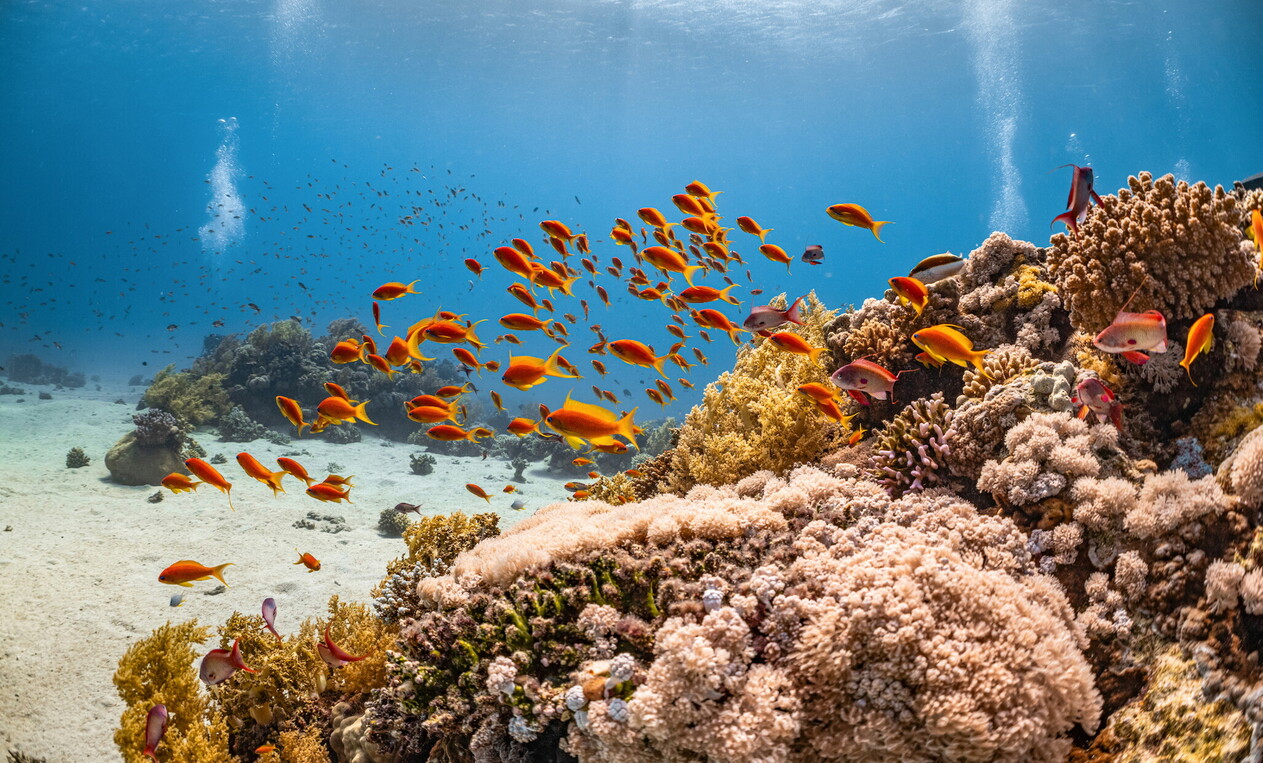
Steeply rising electricity demand has outstripped available domestic natural gas production in many countries such as Saudi Arabia. The fallback of choice has been to burn diesel, fuel oil, and even crude oil in power stations. Gulf countries hope to reduce this share with the help of alternative energies to safeguard crude oil for export, whose revenues are essential for the social contract of their societies. They do not necessarily see hydrocarbons and renewables in competition, but rather as complementary components of their energy mix. Their most likely scenario is not an energy world in transition, but one in expansion with room for hydrocarbons and renewables to expand at the same time.
By global standards, renewables in the MENA still lag behind. In the past, Gulf countries have repeatedly made ambitious announcements about renewable investment targets without significant follow-up, but in recent years there has been sustained growth momentum in Saudi Arabia, the UAE, and Israel. Morocco, which has been a trailblazer for the sector with its Noor solar plant in Ouarzazate, has drifted sideways in comparison (see Figure 3). Gulf countries have a preference for large-scale utility projects. Further growth is likely. The region has one of the lowest costs for power generation from solar energy. Grid integration and storage solutions can help to ease renewables into the existing energy mix. They have also been identified as a possible generator of export revenues in the form of green hydrogen trade. This market is still in its infancy, but the first projects have been launched in Neom in Saudi Arabia, Duqm in Oman, and Dubai in the UAE. Green hydrogen also requires scarce water resources that mostly need to come from desalination. The prevailing interest in Gulf countries is in blue hydrogen projects as they can enhance existing hydrocarbon value chains (e.g. by injecting carbon dioxide in mature oil fields to maintain reservoir pressure rather than associated natural gas for that purpose). Whether green hydrogen might be able to rival this focus one day remains to be seen.
In sum, demographic, water, and energy factors interact in the MENA in various ways as part of the Water-Energy-Food Security nexus. The demographic transition shifts attention to education and economic diversification, water scarcity to food trade, while the energy transition is viewed as complementary to the region’s hydrocarbon sectors.