

Rules and key players
The new space race
No longer a show of superiority, but a competition to create essential systems on which all others will depend. Satellites, lunar logistics, and governance are redefining security, markets, and global power
6 minIn the old space race, rockets were arguments. The point was to prove a system’s superiority by planting a flag where no flag belonged. Today’s contest still carries prestige and military implications, but the center of gravity has shifted. Space is becoming plumbing—less spectacle, more systems. And once something becomes plumbing, everyone relies on it; few people notice it, but when things go wrong, the effects are sudden and inevitably political.
Most energy boardrooms still treat space as a technology sector next door—interesting and useful, but optional. It isn’t. Space-based services already support exploration, shipping routes, weather forecasting, emergency response, and the precise timing that helps power grids function. They also help verify our emissions and what we leak into the environment. In an era where energy security depends on coordination and proof—not just production—space is where many of those capabilities increasingly live.
What has changed? Access got cheaper. Lower launch costs are dissolving old gatekeepers, pulling space out of Cold War history and into the world of supply chains, insurance, standards, and rivalry. The cast has expanded: the United States and the Soviet Union once set the tempo; now, more states and more firms can put hardware into orbit, refresh satellite fleets quickly, and turn access to space into a competitive advantage.
That is why the Moon is back center stage—not as nostalgia, but as a waypoint. NASA’s Artemis program and Beijing’s lunar ambitions point toward a longer game: building reliable routes and services in cislunar space—the vast Earth-to-Moon region. It’s like charting the first shipping lanes and refueling stations in a new ocean. This is competition over scaffolding: who gets to build the first workable logistics system beyond Earth, and who will be forced to rent capacity from it later.
The implications for the energy sector
For energy, the implications show up in three clear and tangible dimensions: what we can see, what we depend on, and what we risk taking for granted.
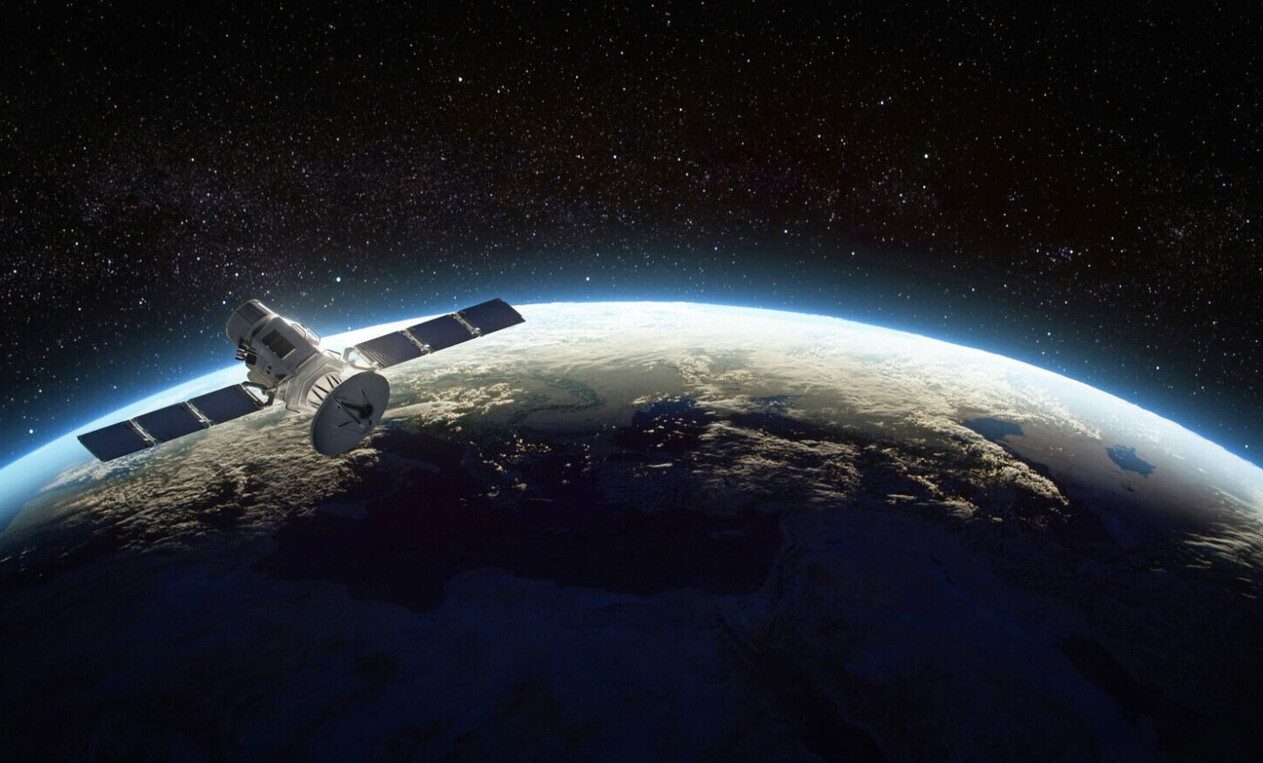
First, space helps us see. Satellites are becoming the world’s overhead mirrors. They track storms that threaten offshore platforms. They help monitor pipelines and transmission lines and detect wildfires that could disrupt power infrastructure. They even measure emissions from space. This new visibility strengthens accountability, but it also raises the stakes. When everyone can see more, transparency is no longer an option: it becomes a strategic variable.
Second, space is becoming part of everyday energy reliability. Few consumers realize how much energy logistics depend on signals from above. Navigation systems guide tankers and LNG carriers, while communication satellites connect remote oil fields and renewable installations. High-precision timing signals even help balance electricity flows across vast geographic areas. If these services are interrupted—whether by technical failure, cyberattack, or geopolitical tension—the effects ripple quickly through supply chains and markets.
Energy security used to be about guarding wells, pipelines, and ports. Increasingly, it also means protecting satellites and the invisible services they provide.
Third, space shapes expectations about the future.
Narrative and rules
The new space race is not only about technology; it is about narrative. Countries and companies speak of new frontiers, new resources, and new strategic advantages. This language creates momentum, influencing investment decisions, diplomatic alignments, and public opinion long before practical realities are settled.
The real question is not whether the Moon will solve our energy challenges—it won’t. The question is who builds the systems that others come to rely on, and under what rules.
Governance is the quiet fault line. The 1967 Outer Space Treaty bars national sovereignty claims in outer space but leaves open many practical questions about commercial activity and resource use. Ambiguity invites competition, encouraging players to move quickly, establish a presence, and shape norms through action.
History offers many examples of what happens when infrastructure outpaces regulation. Sea lanes, pipelines, and even the early internet evolved through trial, tension, and occasional crisis. Space is likely to follow a similar path.
Meanwhile, vulnerabilities multiply. Orbits are becoming crowded, and space debris poses growing risks. Cyber threats do not stop at the atmosphere. Because many space technologies serve both civilian and military purposes, commercial expansion can unintentionally deepen strategic rivalries.
So, what should the energy sector do? First, treat space-based services as essential infrastructure. Build backups, diversify providers, and plan for disruptions. Second, use satellite data proactively—not only to communicate commitments but to improve performance and reduce risk. Third, pay attention to the rules. Standards and governance frameworks are being shaped now. Those who engage early will have more influence over how access, safety, and competition are managed.
The old space race was about proving a point. The new one is about building systems that others depend on. For energy leaders, the issue is no longer symbolic exploration. It is whether the infrastructure we are quietly outsourcing to orbit becomes stable and resilient—or becomes yet another arena where rivalry can disrupt daily life without ever touching a power plant.